


Skip to main content Scroll Top
Post Orthodontics
What Comes Next?
Cheerful child with metal braces smiling and holding a red orthodontic retainer against a pink background
Before you know it, the day will arrive when your braces come off. Within moments, you’ll be rid of all those bands and brackets, free to enjoy your favorite foods and feel the smoothness of your newly aligned teeth. Even so, this milestone is not quite the finish line — the next chapter of your orthodontic journey, known as retention, is only just getting started. Retention is a vital follow-up phase that generally requires you to wear an orthodontic device called a retainer. There are several types of retainers available, and each one is made specifically for your mouth. Our team will recommend which type — or combination of types — suits your needs, along with clear guidance on how often and how long to wear it. You may wonder: if your teeth are already aligned, why bother with a retainer? The answer is straightforward — without one, your teeth will gradually shift back toward their original positions. Teeth are not anchored rigidly in the jaw. Rather, they are supported by a web of connective tissue known as the periodontal ligaments. Once teeth have been repositioned, those ligaments need several months to fully adapt. To preserve your new smile and protect the investment of time and resources you’ve made, wearing your retainer exactly as instructed is absolutely essential. Your retainer fitting typically takes place on the same appointment day as your brace removal. Once your teeth are thoroughly cleaned, we may capture a new set of X-rays and/or bite impressions to evaluate your treatment results and monitor the development of your wisdom teeth. From there, we’ll walk you through your retainer options and begin the process of preparing it for you.
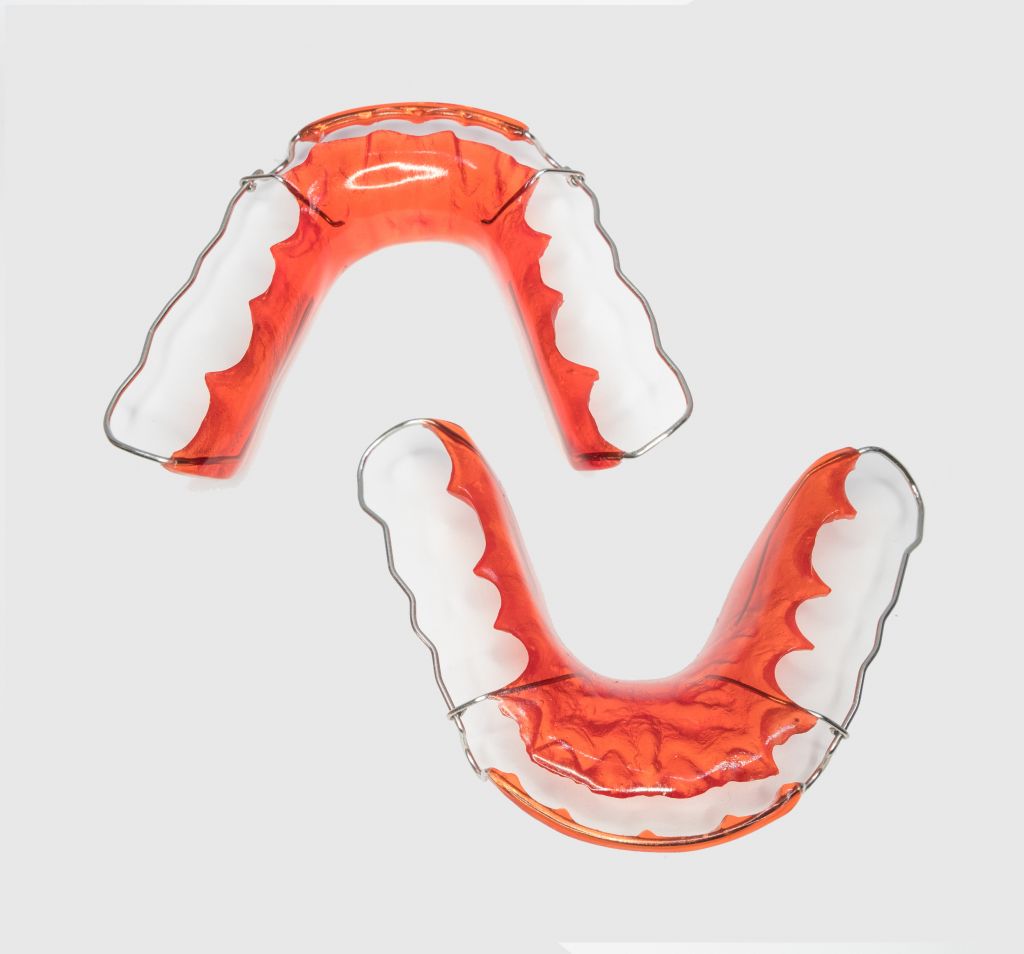
Upper and lower Hawley orthodontic retainers with red acrylic and metal wire
Hawley Retainer

The Hawley retainer is the most widely used option. It consists of a slim, contoured acrylic base shaped to fit the roof of your mouth, along with a metal wire that keeps your teeth in their corrected positions. Durable and easy to take in and out, the Hawley retainer also offers a fun personalization element — you can pick from a variety of colors and patterns for the acrylic portion. Minor tooth adjustments can also be made to it over time if needed.
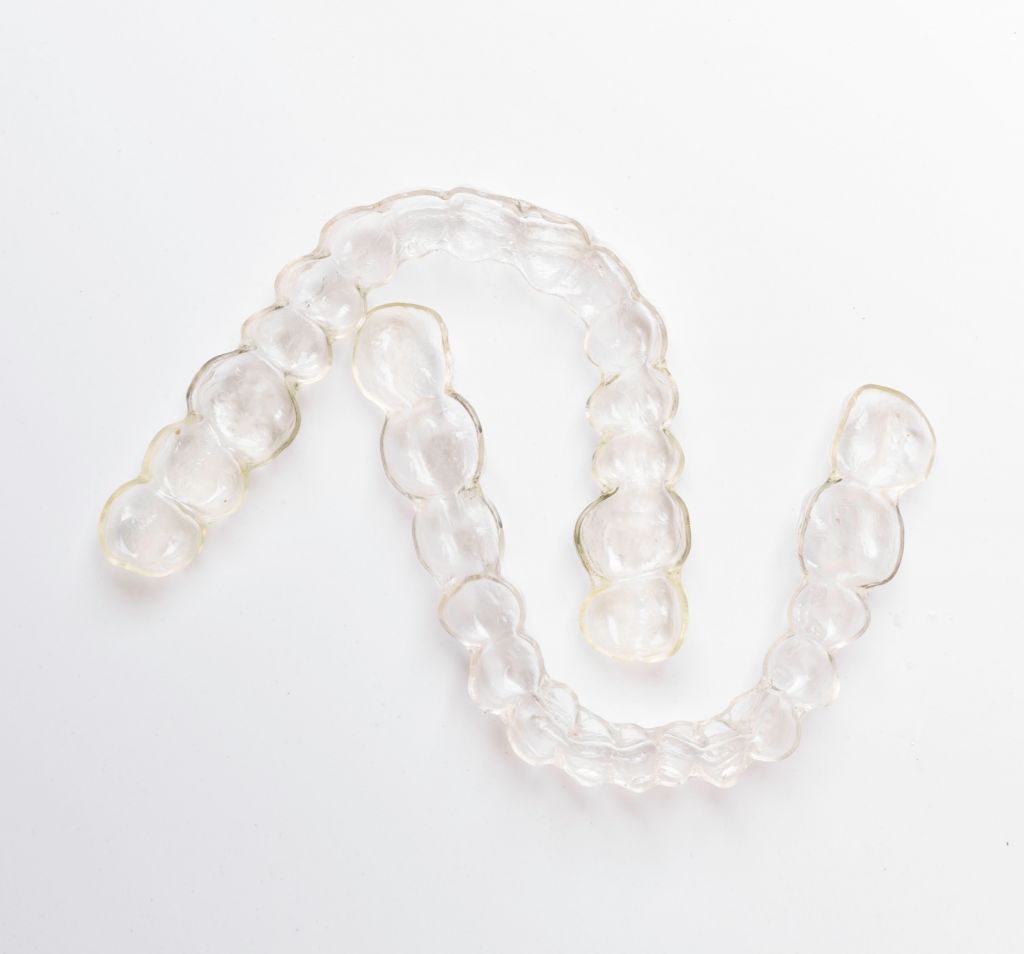
Clear orthodontic aligner retainers on a white background
Clear Plastic Retainer

A widely used alternative is the clear aligner-style retainer, which closely resembles the Invisalign® tray system. Crafted from thin, see-through plastic and molded precisely to your teeth, these retainers offer a virtually undetectable appearance with no visible wire. They are just as easy to remove, though they tend to be slightly less robust than Hawley retainers. This style may not be appropriate for patients with certain issues, such as bruxism (teeth grinding).
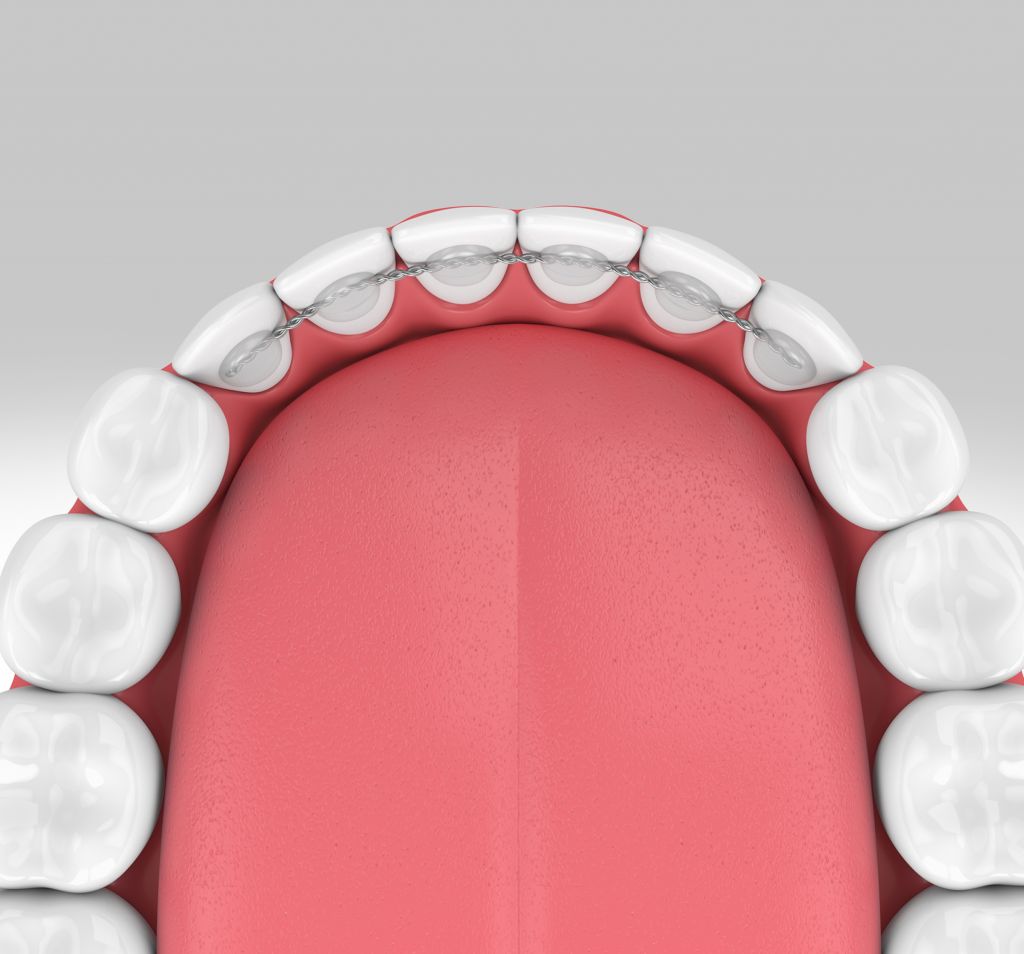
3D illustration of a bonded permanent retainer wire attached to the back of upper teeth
Fixed Bonded Retainer

For certain patients, a fixed retainer may be the best choice, particularly for the lower front teeth. True to their name, these retainers cannot be removed by the patient — but they also cannot be seen. Similar in concept to lingual braces, a fixed retainer uses a wire that is bonded directly to the back (tongue-facing) side of the teeth. It may stay in place for several months or considerably longer. This option is often recommended when there is a significant likelihood of teeth drifting back to their previous positions.