

While it’s true that orthodontic care can be pursued at any stage of life, early evaluation plays a uniquely valuable role in a child’s long-term dental health. The American Association of Orthodontists recommends that children receive their first orthodontic screening by age 7. At MKL Orthodontists — with offices in New Cumberland, Harrisburg, and Mechanicsburg, PA — we offer early evaluations to identify any developing concerns before they become more complex.
It’s worth noting that an early evaluation doesn’t always mean early treatment. In many cases, we simply monitor your child’s growth and step in at the right moment. This way, we’re positioned to achieve the best outcome as efficiently as possible, while also helping to prevent more serious problems from developing later.
While every child grows at their own pace, most kids begin to see their first permanent molars by around age six. This milestone, along with other developmental indicators, gives us a clear picture of how the teeth are aligning — both front-to-back and side-to-side — and whether there will be enough space for all the adult teeth that are still on their way.

When Earlier Treatment is Better
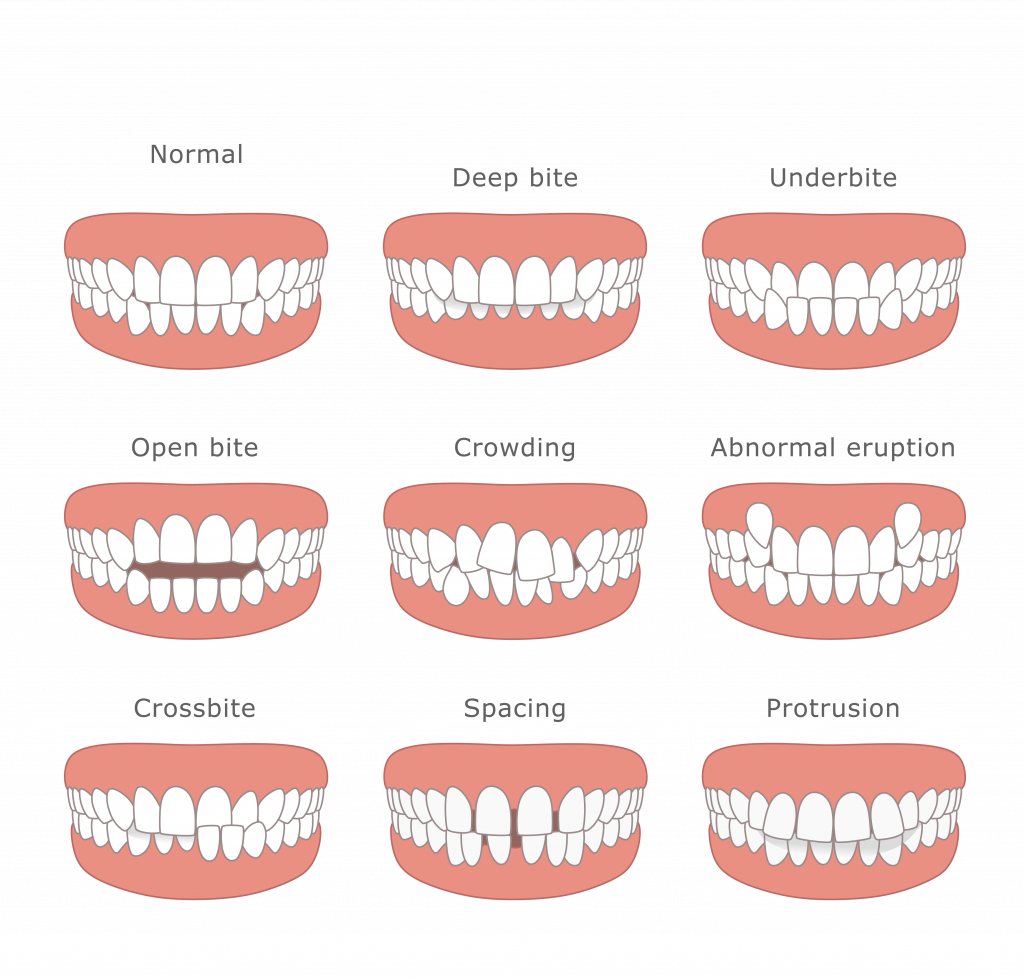
Most orthodontic treatment for common bite and alignment issues is initiated between ages 9 and 14, once the majority of baby teeth have been replaced by permanent ones. However, certain conditions respond much better to treatment when addressed earlier — while the jaw is still actively developing and more responsive to guidance.
Severe crossbite is one such condition. This occurs when the upper teeth bite down inside the lower teeth. A palatal expander — a device that gently widens the upper jaw over time — is highly effective when used before the jaw has fully matured. Waiting too long may result in the need for more invasive correction, including surgical intervention.
Significant crowding is another issue that can benefit from early action. When the jaws are too narrow to accommodate all the incoming permanent teeth, palatal expansion or selective tooth removal may be used to guide proper eruption. Even when braces or aligners are needed afterward, the overall treatment tends to be shorter and simpler when the groundwork is laid early.
Early treatment can also help with protruding front teeth, which are more susceptible to injury and can affect a child’s self-esteem. Additionally, a pronounced underbite — where the lower jaw outgrows the upper — can lead to significant bite problems if left unaddressed. When treated during periods of active growth in children from New Cumberland, Mechanicsburg, and Harrisburg, orthodontic appliances can often resolve these issues without the need for surgery.