

For most preteens and teens, getting braces is practically a milestone — just one more part of growing up alongside changing styles, new interests, and a growing sense of identity. But why do orthodontic treatment and the teenage years seem to go hand in hand?
The answer comes down to timing. The adolescent years — typically between ages 11 and 13 — are when the last of the baby teeth have been shed and most of the permanent teeth have fully erupted. This window is ideal for addressing issues like bite problems (malocclusion), uneven spacing, or misaligned teeth. Orthodontic concerns don’t resolve on their own; in fact, they tend to become more complex as a person ages.
Because teenagers are still growing, treatment tends to be more effective and efficient than it would be for adults. Whether your child needs traditional braces or a palatal expander, we can guide teeth and jaw development into a better position while the body is still naturally doing a lot of the work. Once the jaw has finished developing, certain corrections become more involved and more costly.

The Types of Orthodontic Treatment
When you visit our office, your first appointment will include a full evaluation with photos, X-rays, and sometimes a bite model to help us assess your unique situation. From there, we’ll build a customized treatment plan. Treatment may involve braces with or without elastics, or a specialized appliance based on your needs. The active phase of treatment generally lasts between 6 and 30 months, after which you’ll wear a retainer to keep your new smile in place. Here are the orthodontic appliance options available for adults:
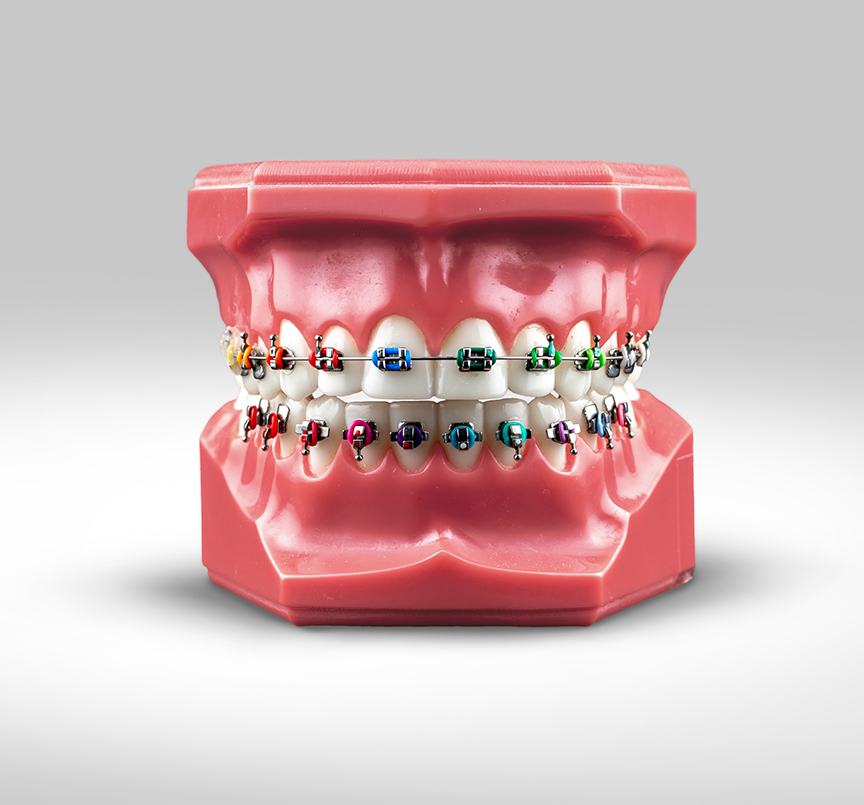
Traditional metal braces consist of small metal brackets bonded directly to each tooth, connected by a thin wire that runs through them and is anchored to bands on the back molars. Modern metal braces are more streamlined than earlier versions and remain one of the most reliable and effective options available.
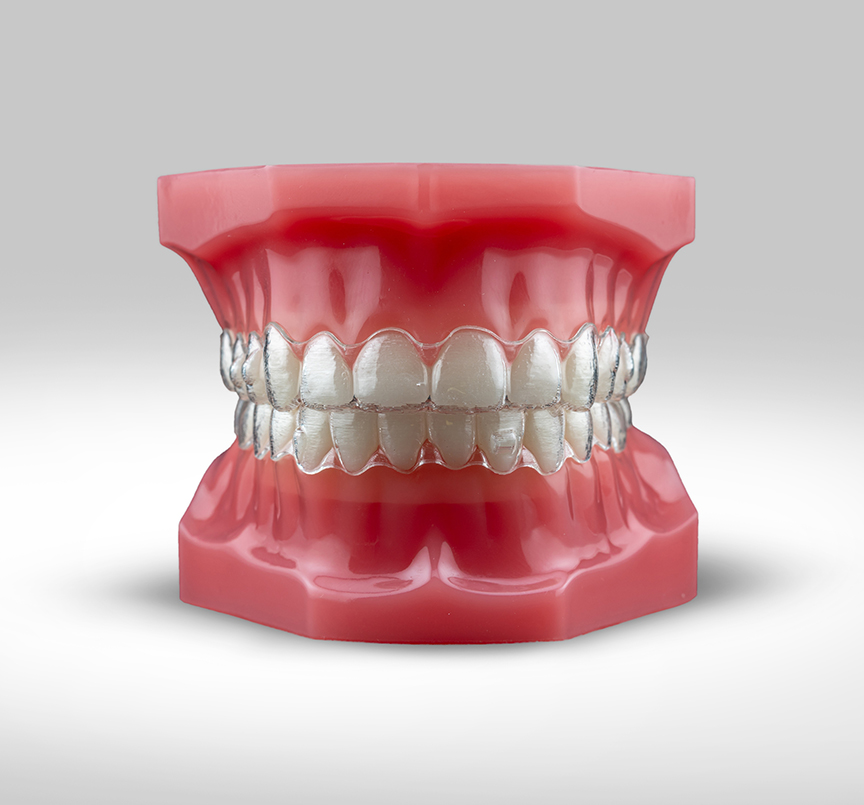
Clear aligners are a removable alternative to fixed appliances. Rather than brackets and wires, they use a series of custom-made clear plastic trays that fit snugly over your teeth. Each tray moves your teeth incrementally, and trays are swapped out periodically as treatment progresses. Tray design is generated using advanced computer software to map out the full course of movement from start to finish.
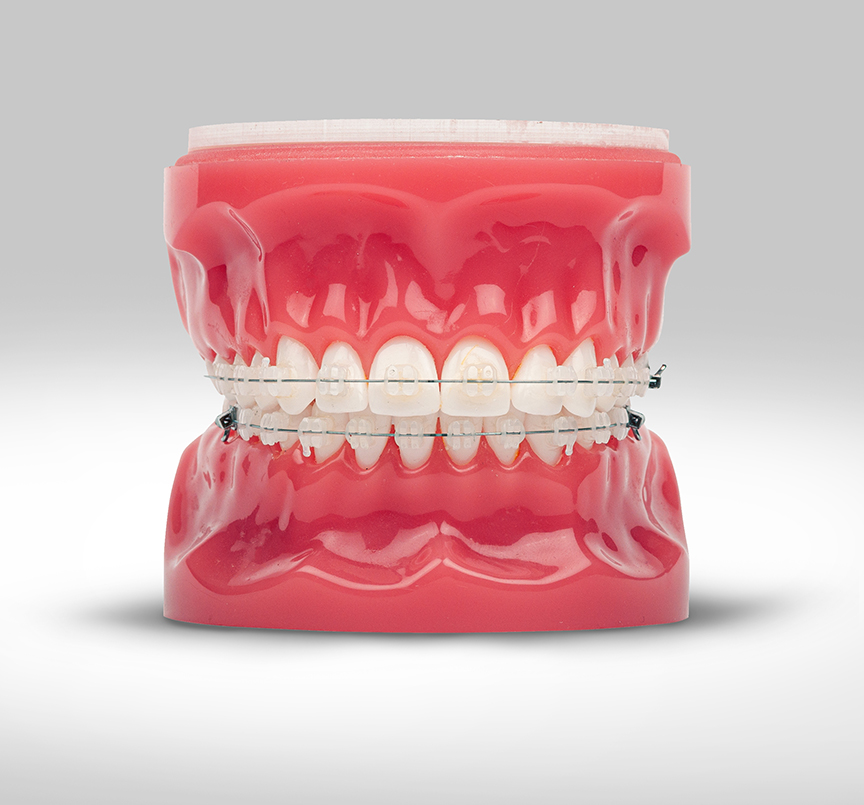
Clear braces use tooth-colored ceramic or composite brackets in place of metal ones, making them far less visible. The wire connecting the brackets is still present, but the brackets themselves blend in naturally with the teeth. They work just as effectively as metal braces, though they may require a bit more care as they can be slightly more prone to cracking.